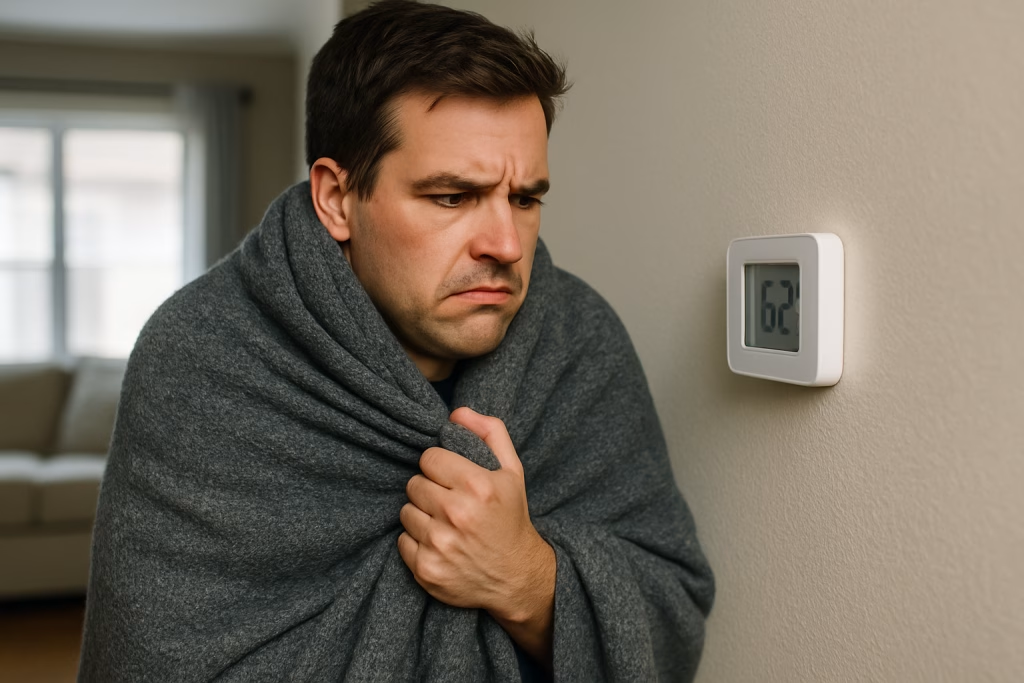

There is nothing worse than waking up on a chilly morning, expecting the warm embrace of your home’s heating system, and finding… nothing.
When your heat goes out, panic usually sets in. Is the furnace broken? Is it going to cost thousands to fix? Do you need to buy space heaters immediately?
Before you start worrying about the cost of a replacement, take a deep breath. Many home heating problems are actually simple maintenance issues you can solve yourself in five minutes. However, others are serious mechanical failures that require a professional touch to ensure your family’s safety.
This guide will walk you through the most common heating headaches, how to troubleshoot them, and exactly when it’s time to use our Home Services Hotline to get a local pro to your door.
1. The Thermostat is Unresponsive (or Wrong)
It sounds obvious, but the number one reason for “heating failure” is actually a communication breakdown between your thermostat and your furnace.
The Symptoms:
-
The screen is blank.
-
The temperature on the screen doesn’t match the room temperature.
-
You set it to “Heat,” but nothing happens.
The Quick DIY Fix:
-
Check the Batteries: If your thermostat is battery-operated, swap them out. This fixes the issue 50% of the time.
-
Check the Settings: Ensure the switch is actually set to “Heat” and the fan is set to “Auto” (not “On”).
-
Check the Breaker: Go to your electrical panel and make sure the breaker for the thermostat or furnace hasn’t tripped.
When to Call a Pro: If the screen is on, the settings are correct, but the furnace still refuses to kick on, you likely have a wiring issue or a faulty control board. Don’t mess with electrical wiring yourself.
Need a pro fast? Connect with a top-rated local electrician or HVAC specialist now via our National Home Services Hotline.
2. The Furnace is Blowing Cold Air
The system is running, the fan is spinning, but the air coming out of the vents feels like an open window in December.
The Symptoms:
-
Constant airflow, but no warmth.
-
The burner doesn’t seem to ignite.
The Quick DIY Fix:
-
Check the Filter: A dirty air filter blocks airflow. This can cause the furnace to overheat and shut down the burner as a safety measure, while the fan keeps blowing to cool it off. Change your filter immediately.
-
Check the Pilot Light (Older Units): If you have an older gas furnace, the blue flame might have gone out. Follow the manufacturer’s instructions to relight it.
When to Call a Pro: If the filter is clean and the pilot light is on (or you have a modern electric ignition), the problem could be a faulty limit switch or a cracked heat exchanger. A cracked exchanger can leak carbon monoxide, which is deadly. Turn the unit off immediately and call a professional.
3. Short Cycling (Turning On and Off Rapidly)
Does your heater turn on for two minutes, shut off, and then turn back on three minutes later? This is called “short cycling,” and it destroys your energy efficiency.
The Symptoms:
-
The house never quite reaches the set temperature.
-
Wear and tear on the starting motor.
The Quick DIY Fix:
-
Check for Obstructions: Ensure your supply and return vents aren’t blocked by furniture, rugs, or curtains. The system needs to “breathe.”
-
Check the Thermostat Placement: Is your thermostat located near a heat source (like an oven or a lamp) or in direct sunlight? It might “think” the room is hot and shut off prematurely.
When to Call a Pro: If the vents are clear, short cycling is often caused by an oversized furnace (bad installation) or a failing flame sensor. These require professional diagnostic tools to fix.
4. Uneven Heating (Cold Spots in the House)
The living room is a sauna, but the upstairs bedroom feels like an icebox.
The Symptoms:
-
Significant temperature differences between rooms.
-
Some radiators or vents feel cold to the touch.
The Quick DIY Fix:
-
Bleed the Radiators (Boiler Systems): If you have radiators, trapped air bubbles can prevent hot water from filling the unit. Use a radiator key to “bleed” the air out until water squirts out.
-
Adjust Vent Dampers: In forced-air systems, ensure the dampers (levers) on the vents in cold rooms are fully open.
When to Call a Pro: If balancing the vents doesn’t work, you may have leaky ductwork losing heat inside your walls, or a zoning issue. A professional can perform a duct pressure test to find the leaks.
5. Strange Noises (Bangs, Squeals, and Rattles)
Heating systems should be felt, not heard. New noises are your system crying for help.
The Diagnostic Guide:
-
Squealing: Usually a slipped or frayed blower belt.
-
Rattling/Banging: Loose panels, or worse, a cracked heat exchanger.
-
Rumbling: Often indicates dirty gas burners or a pilot light issue.
The Fix: There is no DIY fix for strange internal mechanical noises. These are mechanical failures that will get worse (and more expensive) the longer you ignore them.
Don’t let a small rattle turn into a replaced furnace. Call our Home Services Hotline to find a repair technician who can diagnose the noise before the system fails.
6. The “Burning” Smell
When you turn your heater on for the first time in autumn, a slight “dusty” burning smell is normal—it’s just dust burning off the heating elements. It should dissipate in 30 minutes.
The Warning Signs:
-
Plastic/Electrical Burning Smell: Indicates melting wire insulation.
-
Rotten Eggs/Sulfur: This is a natural gas leak.
The Immediate Action: If you smell gas (rotten eggs):
-
Do not touch any light switches or electronics.
-
Evacuate the house immediately.
-
Call the gas company and a professional HVAC tech from a safe distance.
7. Astronomical Energy Bills
Sometimes the problem isn’t that the heat isn’t working; it’s that it is costing you a fortune.
The Symptoms:
-
Your bill has spiked significantly compared to the same month last year, despite similar weather.
The Cause: As heating systems age, they lose efficiency. A furnace nearing the end of its 15-20 year lifespan has to work twice as hard to produce the same amount of heat.
When to Call a Pro: You need a system tune-up or an energy audit. A professional can clean the internal components to restore efficiency or help you calculate if a modern, high-efficiency unit would save you money in the long run.
When DIY Fails: The Fast Track to Warmth
You’ve changed the filter, checked the batteries, and opened the vents—but the house is still cold.
At this point, “tinkering” can do more harm than good. Modern heating systems involve high voltage, combustible gas, and delicate pressure systems.
Don’t spend another night freezing.
LocalRepairsNow helps to connects you instantly with vetted, local heating professionals who are ready to handle emergencies.
Connect with a Pro. Restore your Comfort. Stay Safe.

Author: Danny Anderson
Danny Anderson is a seasoned home services professional with over 25 years of hands-on experience in residential construction, remodeling, and repair. After two decades in the field, Danny now shares his expertise through helpful guides, how-tos, and cost breakdowns aimed at making homeownership less stressful and more informed. His practical insights are trusted by homeowners nationwide.