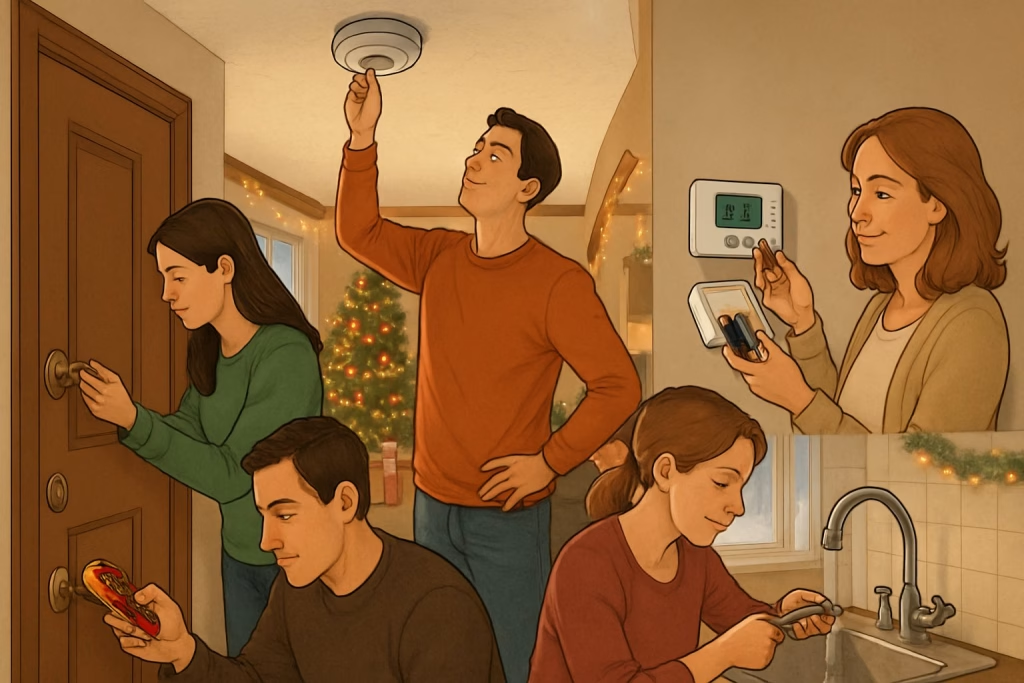

Nothing kills the Christmas vibe faster than a blown circuit board when you’re baking cookies or a surprise gas leak just as family arrives. Small problems can spiral into holiday chaos if you don’t check your home ahead of time.
Just a quick safety review before guests show up can help you dodge electrical fires, appliance meltdowns, and those emergency repairs nobody wants during December.
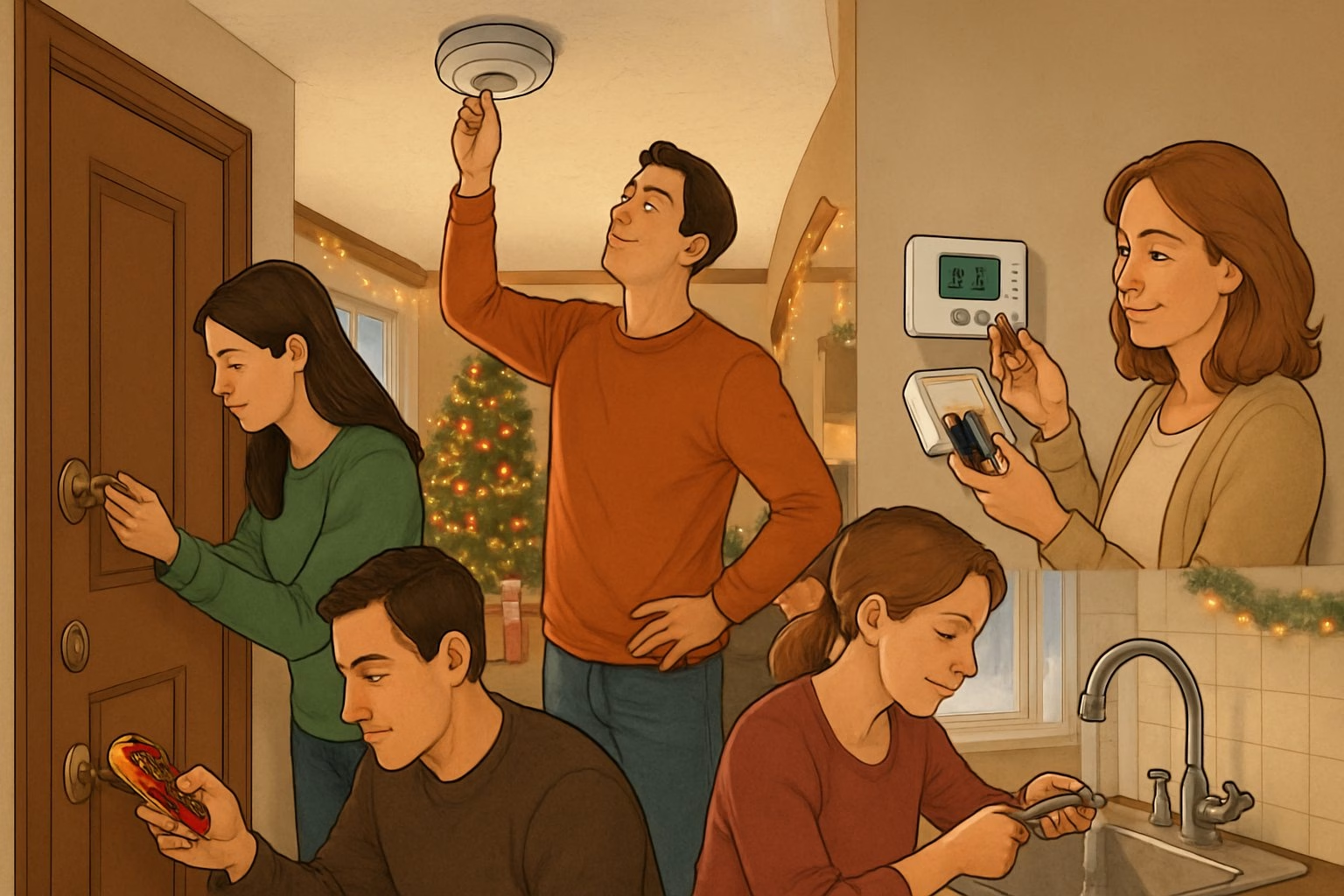
Most folks get wrapped up in decorating and planning meals, but they skip the crucial safety checks that actually prevent holiday headaches. Overloaded outlets, old smoke detectors, and neglected heating systems spark thousands of house fires every December.
Fixing these takes less than a day and can save you a fortune—not to mention keep everyone safe.
This guide dives into nine must-do fixes to keep your home running smoothly through Christmas. Each check takes just a few minutes, but it could save you from scrambling for help when you’d rather be celebrating.
From testing smoke and carbon monoxide detectors to checking your electrical setup, these steps help you host with way less stress.
Key Takeaways
- Test all smoke detectors, carbon monoxide alarms, and electrical circuits before you start decorating
- Check heating systems and gas appliances to prevent fires and leaks when usage spikes
- Don’t overload outlets or extension cords when adding lights, appliances, and decorations
Electrical Safety Fundamentals for the Holidays
Holiday decorations bring the festive feels, but they also crank up the electrical load at home. Damaged cords and old lights can turn into serious fire hazards, which is the last thing anyone needs this season.
Inspect Cords and Decorations for Damage
Before you hang anything, check every strand for wear and tear. Frayed wires are no joke—they can shock you or spark a fire.
Here’s what to watch for:
- Cracked or busted sockets
- Loose or bare wires
- Wobbly connections
- Scorch marks on plugs
- Broken bulbs or missing glass
Cracked sockets, loose wires, and sketchy connections can cause shocks or fires. If you spot any of these, toss that decoration—don’t stash it for next year.
Give your extension cords a once-over, too. Don’t run cords under rugs or squeeze them through doors and windows; hidden damage is easy to miss.
Prevent Overloading Electrical Outlets
Overloaded outlets and faulty wires are a classic holiday fire starter. Every outlet has its limit, and pushing it can create dangerous heat.
Plug just one high-wattage appliance into each outlet. Never connect more than three strings of incandescent lights together—that’s a fast way to blow a fuse or worse.
Power strips with circuit breakers add a bit of protection, but don’t chain a bunch together. That just creates another overload risk.
Update to Safer LED Lights
LED lights pull way less power than old-school incandescent bulbs. That means you can safely connect more strands—plus, they hardly get warm.
Lower heat means less fire risk if the lights touch curtains, wreaths, or even a dried-out tree. And the energy savings? Not too shabby during the holidays.
LEDs can use up to 90% less electricity, so you’ll see it on your bill. They also last forever—well, 50,000 hours or so—so you’ll replace them less often.
Smart Home Upgrades for a Secure Holiday
Smart gadgets make life easier when you’re traveling or hosting guests. Automated plugs, cameras, and sensors all work together to keep your home safer and give you peace of mind.
Install Smart Plugs and Timers
Smart plugs let you control lights and decorations from your phone. Just plug them into any outlet, and suddenly you’re flipping things on and off from anywhere.
Timers can handle indoor and outdoor lights, turning them on at sunset and off at bedtime. That regular rhythm makes it tough for anyone to guess if you’re home.
Many smart home upgrades boost holiday safety by letting you control things remotely.
Basic smart plug perks:
- Turn devices on/off with your phone
- Set schedules for automatic timing
- Track energy use
- Works with Alexa or Google Assistant
Most smart plugs cost $10 to $30 and just need wifi—no complicated setup.
Monitor with Security Cameras
Outdoor cameras help protect your packages and keep an eye on who’s around. Models with spotlights, sirens, and two-way talk can scare off trouble before it starts.
Over 119 million packages were stolen last year, so outdoor cameras are a must for deliveries.
Look for cameras with 1080p or 4K resolution for clear footage. Some save video to the cloud or an SD card, and two-way audio lets you chat with delivery drivers or warn off strangers.
Battery-powered cameras go anywhere—no wires needed. Place them at the front door, garage, or wherever you want extra eyes. Some even let you set motion zones to cut down on false alarms.
Utilize Motion Sensors for Added Protection
Motion sensors pick up movement and trigger lights, alarms, or cameras. They’re perfect for dark corners, garages, and back doors.
Sudden bright lights can startle intruders and make them think twice. Indoors, motion sensors can alert you to any weird activity while you’re out.
Some can even tell the difference between pets and people—no more false alarms every time your cat walks by.
Tips for placing motion sensors:
- Mount them 6-8 feet high
- Point toward doors and windows
- Keep away from heat sources
- Test the range before you settle on a spot
Motion-activated tech adds another layer of defense, working alongside cameras and smart lights.
Essential Fire and Gas Hazard Checks
All those decorations and extra cooking in December mean more fire risk. Testing your safety devices and setting up decorations carefully can help you avoid a disaster.
Test Smoke Detectors for Reliability
Smoke detectors need fresh batteries and regular tests to actually protect you. Hit the test button on each one—if it doesn’t beep loud and clear, swap the batteries right away.
The National Fire Protection Association says to test them monthly, but definitely do it before guests arrive. If your detector’s older than 10 years, just replace it—old sensors can’t be trusted.
How to test:
- Hold the test button for 3-5 seconds
- Listen for a strong alarm
- Change batteries if it’s weak
- Vacuum around the detector to clear out dust
Every floor needs at least one detector, basement included. Bedrooms and hallways near sleeping areas need their own, too.
Check Carbon Monoxide Detectors
Carbon monoxide detectors save lives by catching an invisible, odorless gas from furnaces, fireplaces, and gas appliances. Test them with the same button as smoke detectors.
Most last 5-7 years—check the date on the back. Winter’s when you run heating systems nonstop, so proper carbon monoxide detection is extra important.
Gas appliances, fireplaces, and furnaces can all create this dangerous gas. A working detector gives you a heads-up before it becomes a real threat.
Review Placement and Condition of Decorations
Decorations can turn risky fast if you put them too close to heat or use flammable stuff. Keep fresh Christmas trees at least three feet from fireplaces, radiators, and space heaters.
Water your tree daily—dried-out ones catch fire easily. If it’s brown and crispy, get it out of the house.
Decoration safety basics:
- Keep candles away from curtains, paper, and trees
- Use flameless LED candles near anything flammable
- Don’t overload outlets with light strings
- Toss any light strands with frayed wires or busted bulbs
Stick to outdoor-rated decorations for outside—they can handle rain and cold. Indoor stuff outside just isn’t safe.
Protecting Your Electrical System from Seasonal Strain
Holiday lights and extra kitchen gadgets can push your home’s electrical system to its limits fast. Knowing how to use cords and power strips safely helps you avoid blown circuits and fire scares.
Avoid Daisy-Chaining Extension Cords
When you connect multiple extension cords together, you’re asking for trouble—especially during the holidays. Every extra plug adds resistance, which cranks up the heat and can melt insulation or even spark a fire.
Daisy-chaining also cuts down the amperage capacity of your setup. One 15-amp cord might be fine for a string of lights, but add two more cords and suddenly you’re pushing your luck. The plugs at each connection point get warm fast, especially if you’re powering big stuff like inflatable Santas or those over-the-top light displays.
Honestly, it’s way safer to buy one long, heavy-duty extension cord that’s rated for the job. If you need to go the distance, skip linking short cords and just get the right length. Outdoor decorations need outdoor-rated extension cords that can handle rain, snow, and freezing temps.
Don’t use indoor cords outside. They break down quickly and could shock someone.
Confirm Power Strip Ratings
Power strips come with max wattage limits right on the label or packaging. It’s surprisingly easy to blow past those limits, especially with all the extra gadgets plugged in for the holidays. Overloading electrical outlets is a real risk this time of year.
Add up the wattage of everything you plug in. A typical 15-amp strip tops out at 1,800 watts. Plug in a space heater (1,500 watts), some lights (300 watts), and a radio (100 watts) and—oops—you’re already over by 100 watts.
Kitchen appliances are wattage hogs during holiday cooking marathons. Plug coffee makers, toasters, and griddles straight into the wall, not the same power strip. This keeps circuits from tripping and helps prevent electrical mishaps.
If you notice warm plugs, flickering lights, or a weird plastic smell, unplug everything right away. Spread out your devices across different outlets to stay safe.
Managing Appliance and Utility Readiness
Refrigerators, ovens, and heating systems work overtime during holiday gatherings. Testing them now can save you from a mid-party meltdown or a frantic call to a repair tech.
Evaluate Major Appliance Performance
Give your fridge a little TLC—clean the coils so it doesn’t have to work so hard when it’s packed with leftovers and eggnog. Dust and gunk on condenser coils force it to use more energy, and who wants a higher bill?
Test your oven’s temperature with a cheap thermometer before the big cook. If it runs 25 degrees off, your cookies might be a disaster. Deep cleaning the oven gets rid of old grease that can smoke up the kitchen or cook things unevenly.
Don’t forget the dishwasher. Clean the filter so it can handle all those extra plates. Clogged filters mean poor cleaning and possible drainage headaches.
Check the door seals on your fridge and dishwasher. Bad seals let out cold or let in leaks, both of which are annoying.
Key appliance checks:
- Clean refrigerator coils and check door seals
- Test oven temperature accuracy
- Remove debris from dishwasher filter and spray arms
- Inspect all door gaskets for cracks or wear
Check for HVAC and Heating Reliability
Swap out the furnace filter before guests show up. Dirty filters choke airflow and waste energy. Most should be changed every month or two, but check your specific model.
Test the thermostat to make sure it holds steady temps. Programmable thermostats are a lifesaver for keeping everyone comfy without blowing up your utility bill.
Clear vents and registers of dust, furniture, or holiday clutter. Blocked vents create cold spots and make the system run longer than it should.
If you hear weird noises—grinding, squealing, banging—from the furnace, call for repairs. Don’t ignore it and hope for the best.
Check your carbon monoxide detector batteries. Heating systems can leak this dangerous gas, and working alarms save lives.
Safe Organization and Holiday Setup
Holiday decorations and tangled cords can turn your home into an obstacle course. Keeping power sources organized and pathways clear helps everyone stay safe during the craziness.
Arrange Cords and Power Sources Neatly
Lay out extension cords and power strips so they’re not a fire hazard. Never run cords under rugs or furniture—those hidden cords overheat and could start a fire. Avoiding overloaded electrical outlets is a must if you want to keep your holiday lights on without tripping a breaker.
Power strips make life easier than plugging everything straight into the wall. They offer surge protection too, which helps keep your expensive decorations safe from electrical spikes.
Match each cord to its job. Use outdoor-rated cords outside, and keep indoor cords inside. Always check for frays, exposed wires, or other damage before plugging anything in.
Key cord safety steps:
- Limit devices per outlet to prevent overloading
- Use surge protectors for expensive equipment
- Keep cords visible and secured along baseboards
- Replace any damaged cords immediately
Keep Walkways Clear to Prevent Tripping
Decorations and cords can easily block hallways, stairs, or doorways. People are always rushing around during holiday parties, and one wrong step can lead to a nasty fall.
Tape cords down or run them along walls, not across walkways. Place decorations so they don’t block the flow of foot traffic, especially on stairs—those are accidents waiting to happen.
Good lighting in walkways is a must. Dark halls and dim staircases are just asking for someone to trip, especially if they don’t know your house well.
Entryways should have space for coats, shoes, and bags. If stuff piles up near the door, it turns into a tripping hazard fast.
Frequently Asked Questions
Homeowners ask a lot of questions about keeping their places safe in winter. Here are some answers to the most common worries about heating, plumbing, electrical, weather, and security risks during Christmas.
What are the top preventive maintenance tasks to perform in a holiday home before Christmas?
Start by checking windows and doors for drafts and worn-out weatherstripping. That keeps cold air out and helps lower your heating bill.
Clear gutters and downspouts of leaves and debris. If you skip this, ice dams can form and cause water to sneak under your shingles.
Test the thermostat before it gets too cold. Change batteries and check that smoke and carbon monoxide detectors work.
Inspect the fireplace and chimney for blockages or creosote. Disconnect garden hoses and check outdoor faucets to avoid frozen pipes.
How can I ensure my heating system won’t fail during the Christmas holidays?
Change or clean the furnace filter before the holiday rush. Dirty filters slow airflow and overwork the system.
Book a professional heating inspection early in the season. Pros spot worn parts and fix issues before they become emergencies.
Run the heating system for a few hours to make sure it’s working right. Keep the area around the furnace clear—don’t pile decorations or boxes nearby.
Programmable thermostats help keep the house at a steady temp, even if you’re away. Set it no lower than 55°F to keep pipes from freezing.
What should I check for in my holiday home to avoid plumbing emergencies?
Insulate all exposed pipes in unheated spots—think basements, crawl spaces, garages, and outside walls. This keeps them from freezing.
Know where your main water shutoff valve is. If a pipe bursts, you’ll want to turn off the water fast.
Check faucets for drips or leaks that can freeze and cause bigger problems. Leave cabinet doors under sinks open to let warm air circulate around pipes.
If you have a septic system close to full, get it pumped before winter. Frozen tanks can back up and cost a fortune to fix.
What are the essential electrical safety checks before leaving for the holidays?
Inspect Christmas lights carefully for frayed wires, busted bulbs, or loose plugs. Toss out any damaged strings right away.
Never overload outlets with too many decorations or gadgets. Avoiding overloaded electrical outlets helps prevent fires.
Use outdoor-rated extension cords for anything outside. Indoor cords just can’t handle the weather.
Put lights on timers or smart plugs so they turn off automatically. Turning off lights when you’re not home saves energy and cuts fire risk.
Test circuit breakers to make sure they trip like they should. If any breaker feels warm or trips a lot, get an electrician to check it out.
How do I safeguard my property against weather-related issues over the Christmas period?
Trim back trees and branches near your house before winter storms hit. Heavy snow or ice can bring them crashing down on your roof or power lines.
Check the roof for loose or missing shingles. Fixing small problems now beats dealing with leaks in the middle of winter.
Secure or store outdoor furniture and decorations before the wind picks up. You don’t want your patio chairs flying across the yard.
Add slip-resistant mats or treatments to walkways and steps. Keep some ice melt handy for quick fixes when things get slick.
If snow piles up on your roof, clear it off before it gets too heavy. Too much snow can actually collapse a roof—sounds extreme, but it happens.
What steps can I take to secure my holiday home while it’s unoccupied?
Check all your doors and windows, and reinforce the locks if they feel flimsy. Deadbolts usually do a better job than standard locks, honestly.
Set timers on a few interior lights so it looks like someone’s around. Try mixing up the timing so it doesn’t look too predictable.
Pause your mail and newspaper delivery, or just ask a neighbor to grab them for you. A stack of papers on the porch practically shouts that no one’s home.
Move anything valuable away from windows where people can spot them from outside. Double-check your security system before you leave—make sure it’s working, not just hoping for the best.
Give a trusted neighbor or friend your emergency contact info and a spare key. If something weird happens, like a power outage or wild weather, they can swing by and check things out.

Author: Danny Anderson
Danny Anderson is a seasoned home services professional with over 25 years of hands-on experience in residential construction, remodeling, and repair. After two decades in the field, Danny now shares his expertise through helpful guides, how-tos, and cost breakdowns aimed at making homeownership less stressful and more informed. His practical insights are trusted by homeowners nationwide.