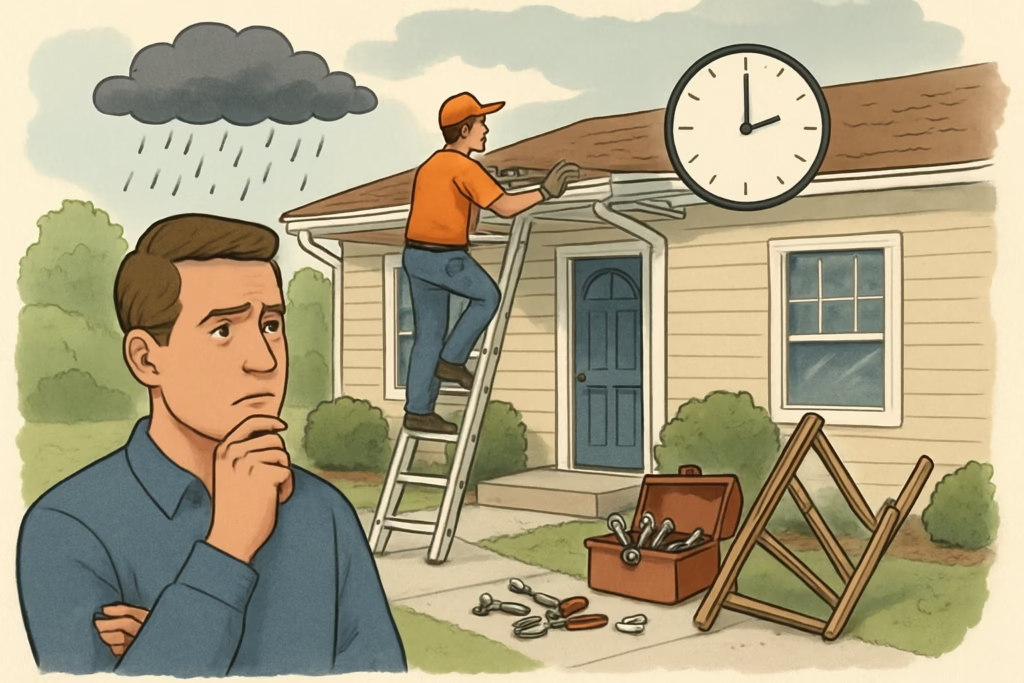

Most homeowners look at the upfront price when hiring gutter cleaning services. But the real financial impact stretches way beyond that first service fee.
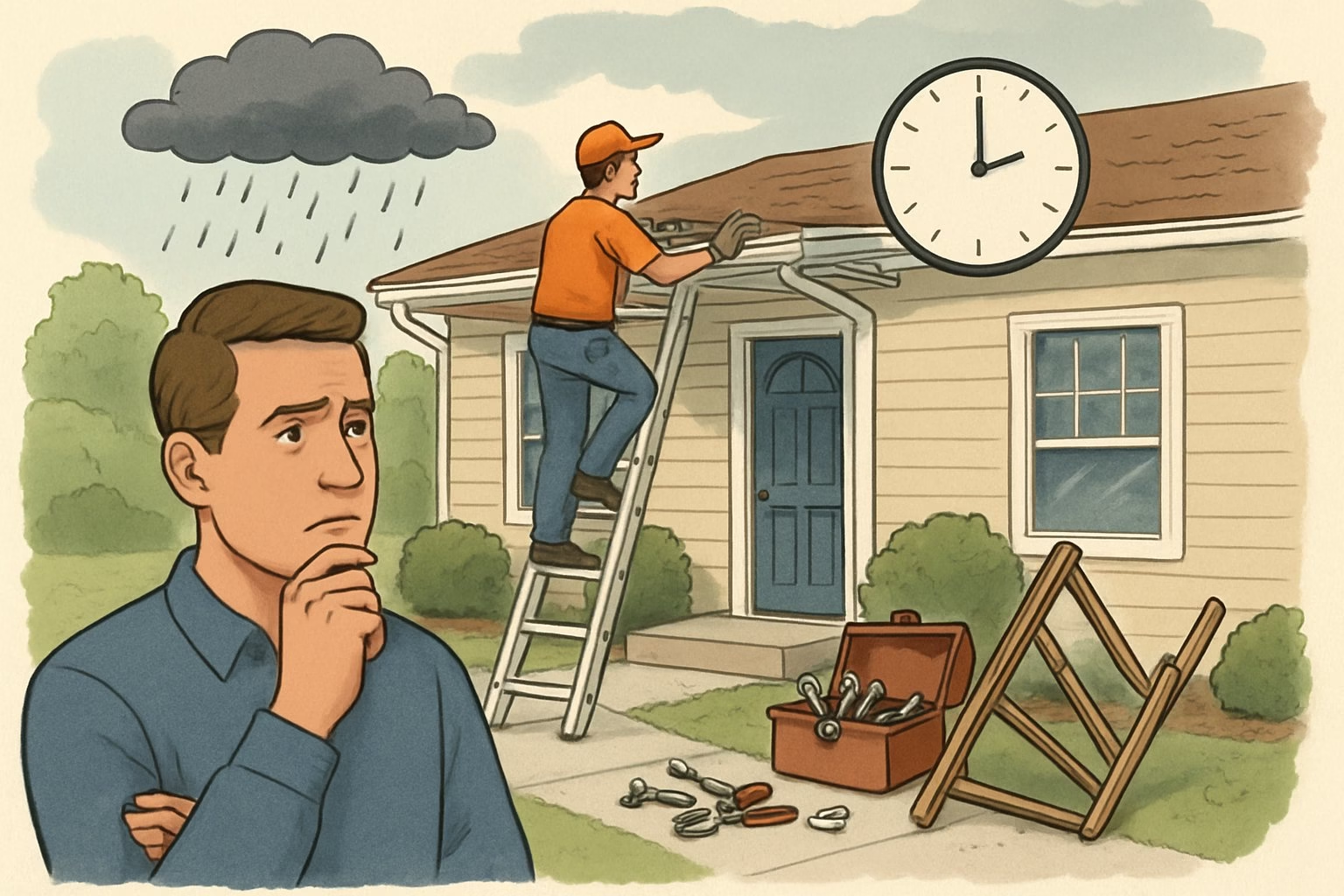
Hidden expenses from gutter cleaning services often include emergency repairs from improper work, insurance deductibles from water damage, and costly property value losses that homeowners discover too late. These surprise costs can easily climb into the thousands if gutters fail because of bad service or when companies skimp to offer lower prices.
The difference between a bargain cleaning and a quality job hits home when you’re suddenly dealing with foundation damage, roof leaks, or pest infestations. It’s worth knowing about these hidden costs so you can make smarter choices and protect both your house and your wallet.
Key Takeaways
- Choosing cheap gutter cleaning services can lead to expensive repairs from water damage and structural problems
- Poor maintenance increases insurance claims and reduces property values more than homeowners expect
- Professional services prevent costly long-term damage that DIY attempts and low-quality companies often miss
Unexpected Expenses When Hiring a Gutter Cleaning Service
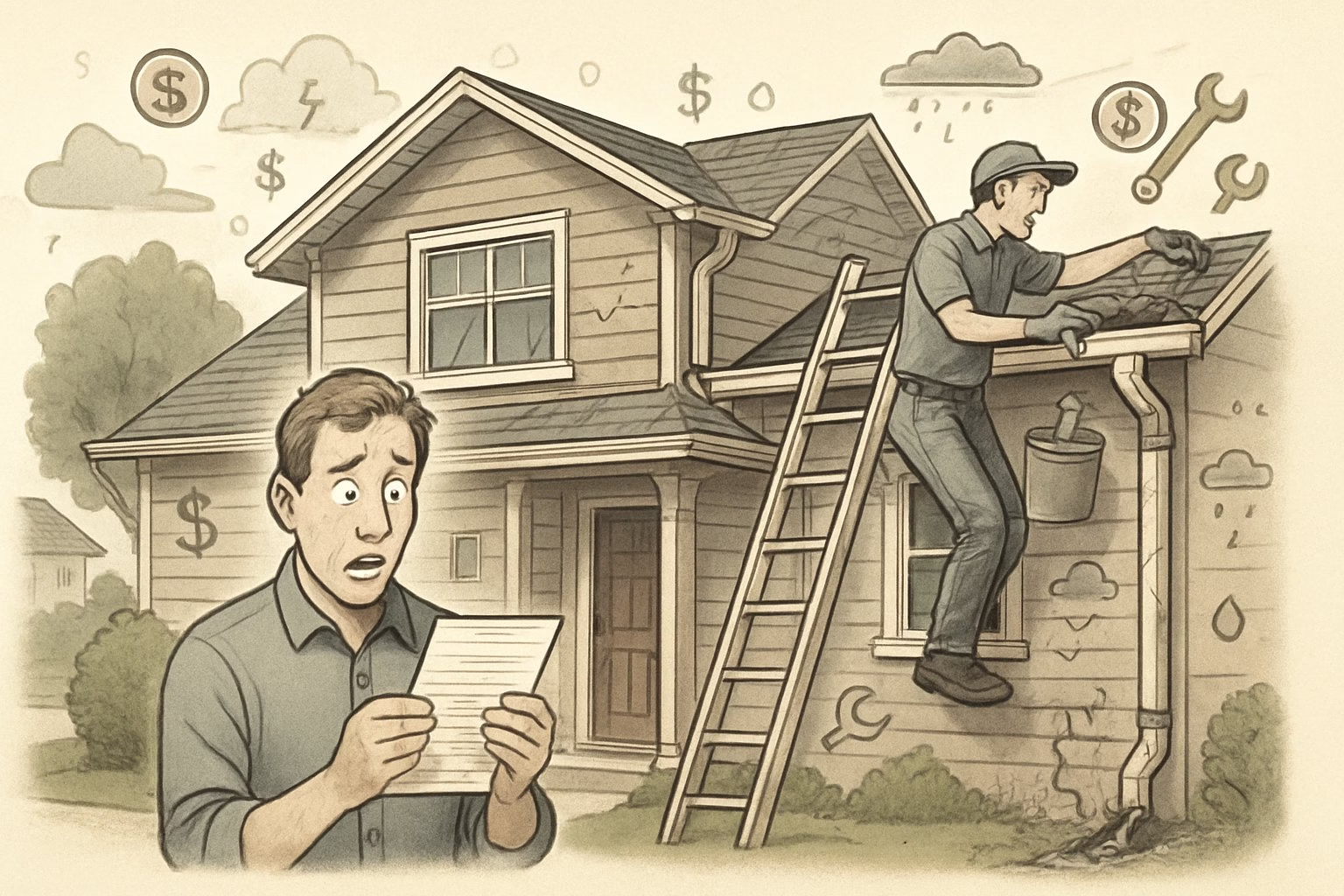
Most homeowners expect a simple flat rate when they call a gutter cleaning company. But a lot of companies advertise a low price, then tack on extra charges for pretty standard stuff.
Base Fees vs. Additional Charges
Gutter cleaning companies love to advertise low starting prices. Usually, those cover only basic cleaning for a single-story house with easy access.
Many services leave out important tasks from their base fees. Downspout flushing can cost $25-50 extra per downspout. Minor repairs like reattaching a loose gutter might add $50-100.
Gutter guard removal and reinstallation is another common upcharge. This can add $2-4 per linear foot.
Other possible charges include:
- Bagging and removing debris ($30-60)
- Checking and adjusting gutter pitch ($40-80)
- Cleaning exterior gutter surfaces ($50-100)
- Taking before/after photos ($20-30)
It’s smart to ask for a detailed written estimate that breaks down all possible charges before anyone starts working.
Accessibility and Roof Complexity Surcharges
Gutter cleaning costs jump up when homes are harder to access. Two-story houses usually cost 50-75% more than single-story ones because of safety gear and the extra hassle.
Companies charge more for steep roofs, weird angles, or multiple roof lines. These setups take more time and careful movement.
Landscaping obstacles like big trees, fences, or fancy yard features can mean extra fees. Workers might need special ladders or gear to get around these obstacles.
Weather delays sometimes trigger rescheduling fees of $25-50. If your home is far from the company’s base, you might see a travel fee too.
Disposal and Cleanup Fees
Lots of gutter cleaning services charge separately for hauling away debris and cleaning up the site. Standard gutter maintenance can leave behind 2-6 bags of wet leaves, twigs, and muck.
Disposal fees run from $25-75, depending on how much junk they remove. Some companies charge by the bag, others by the size of your house.
Heavy debris—branches, roof shingles, bird nests—can mean even more charges. These need special handling.
Pressure washing stained gutters or blasting off mildew adds $100-200. Some companies also charge for cleaning up anything that falls during the job.
Potential Home Damage Costs from Improper Gutter Cleaning
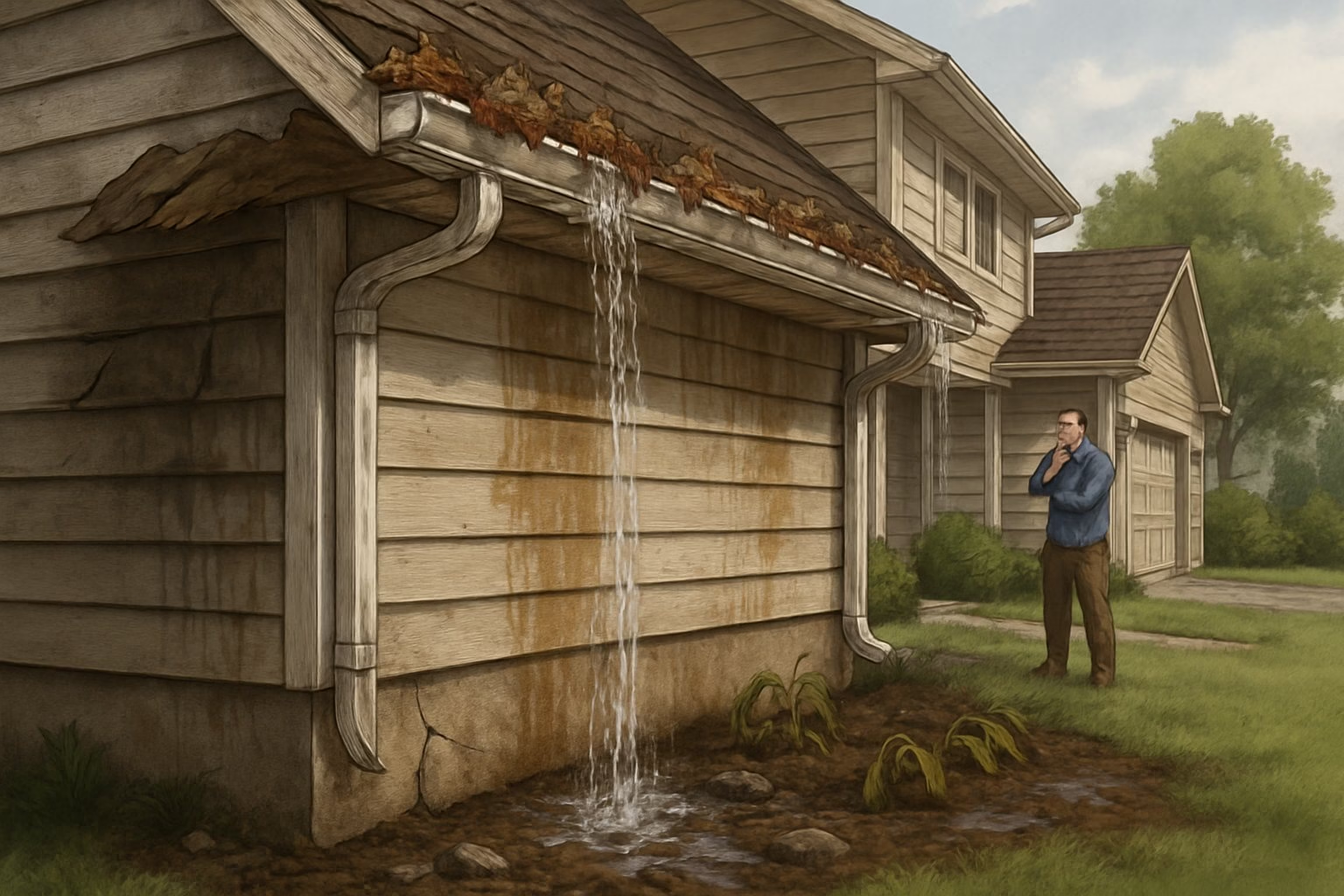
If gutter cleaning goes sideways, homeowners can get stuck with repairs that dwarf the cost of a decent cleaning job. Bad techniques can cause roof leaks starting at $500, foundation cracks that cost thousands, and wood rot needing major replacements.
Roof Leaks and Damage
When workers use too much force or the wrong tools, they can damage shingles. Water sneaks under those damaged shingles and spreads fast.
Common roof damage from poor gutter cleaning:
- Cracked or shifted shingles
- Gutters pulling away from the roof
- Scratched or punctured roof surfaces
Leaks usually start small, but they don’t stay that way. Water gets in, stains ceilings, ruins insulation, and encourages mold inside the walls.
Minor roof repairs: $300 to $1,000. If water gets in deep, full replacements can cost $5,000 to $15,000.
New shingles run $400 to $700 per square. If the inside gets soaked, you’re looking at $2,000 to $8,000 for drywall, insulation, and mold cleanup.
Foundation Cracks and Water Infiltration
Damaged gutters dump water right around the foundation. That’s a recipe for big trouble.
Water weakens concrete and makes it crack, especially when it freezes and thaws. Small cracks widen and get expensive fast.
Foundation repair costs:
- Minor crack sealing: $250 to $800
- Major repairs: $2,000 to $7,000
- Full replacement: $20,000 to $40,000
Basement flooding from these cracks adds insult to injury. Cleaning up and replacing ruined stuff can cost $1,000 to $4,000.
Serious foundation issues can knock 10% to 15% off your home’s value. On a $300,000 house, that’s $30,000 to $45,000 gone.
Wood Rot, Fascia, and Soffit Decay
Improper cleaning messes up the fascia boards and soffits that hold up your gutters. Scratches and dents let water in, and then you’ve got wood rot.
Once water gets into wood, rot spreads fast. Fascia and soffits get soft, lose strength, and eventually crumble.
Wood replacement costs:
- Fascia repair: $6 to $20 per linear foot
- Soffit replacement: $8 to $24 per linear foot
- Full replacement: $1,500 to $6,000
When wood rots, the whole roof system can suffer. Gutters sag or fall off completely.
Pests like termites and carpenter ants love rotted wood. If they move in, extermination can cost $1,200 to $3,000.
Health and Safety Risks That Lead to Extra Expenses
Neglected gutters can become a real health hazard—and those problems aren’t cheap to fix. Blocked gutters let water pool and overflow, setting the stage for mold, pests, and dangerous ice.
Mold and Mildew Growth
Clogged gutters overflow near your foundation and walls. That extra moisture is perfect for mold and mildew, both inside and outside.
Indoor mold can start growing in just a day or two after water exposure. Basements, crawl spaces, and wall cavities are the usual suspects.
Mold gets expensive fast:
- Mold testing: $300-$600
- Remediation: $1,500-$9,000 depending on the area
- Medical bills: Breathing problems, allergies, and more
- Repairs: Replacing drywall, flooring, insulation
Health-wise, mold can trigger breathing trouble, skin irritation, and make asthma worse. Kids and older folks are especially at risk.
Pest and Rodent Infestations
Standing water in gutters attracts mosquitoes and other bugs. Debris-filled gutters also give birds, squirrels, and rats a place to set up shop.
Pest problems you might see:
- Mosquitoes breeding in gutter water
- Rodents using gutters to reach the roof
- Birds building nests that block water flow
Pest control isn’t cheap. Extermination starts at $200-$600, and monthly treatments run $50-$100.
Rodents do extra damage by chewing through roof materials and insulation. Repairs for that mess can hit $1,200-$3,000.
Ice Dams and Winter Hazards
Blocked gutters can’t drain during winter thaws. Water backs up, freezes, and forms ice dams along the roof edge.
Ice dams force water under the shingles, leading to leaks and damage to ceilings, walls, and your stuff.
Ice dam removal costs:
- Professional removal: $400-$1,000 each time
- Roof repairs: $2,000-$8,000
- Interior water damage: $1,500-$5,000
Heavy ice can fall and hurt people or wreck cars below. If someone gets hurt on your property, you could be liable.
Emergency repairs in winter usually cost 20-30% more because of the weather and fewer available contractors.
Hidden Costs Related to Property Value and Insurance
Poor gutter maintenance can cause expensive headaches with your home’s value and insurance. Damaged gutters often lead to property devaluation and sometimes even claim denials.
Reduced Home Value and Curb Appeal
Overflowing or damaged gutters leave ugly stains on your home’s exterior. That hurts curb appeal and makes buyers wonder what else you’ve ignored.
Foundation problems from bad drainage can cost $10,000 to $40,000 to fix. Water damage to siding, landscaping, and walkways also drags down property value.
Homes with visible gutter issues usually sell for 5-10% less than similar houses. Just fixing the cosmetic damage before selling can mean thousands in repairs.
Value-reducing issues you might see:
- Water stains on exterior walls
- Foundation damage or basement flooding
- Rotted fascia boards and soffits
- Landscape erosion and dead plants
Inspectors spot gutter problems during home sales all the time. Buyers often want price cuts or ask sellers to fix water damage before closing.
Insurance Claim Denials
Insurance companies often deny water damage claims when gutters show obvious neglect. Most homeowner policies exclude damage from poor maintenance.
Adjusters check for proof of regular gutter cleaning. If you can’t provide documentation or your gutters are visibly clogged, insurance might void your claim for water damage.
Insurance may not cover:
- Foundation damage from clogged gutters
- Basement flooding from overflow
- Ice dam damage when gutters weren’t cleared
- Mold growth from persistent moisture
Some insurers actually require annual gutter maintenance in their policy terms. You’ll need to keep receipts and photos to prove you hired professionals or did the work yourself.
How Deferred Maintenance Drives Up Long-Term Expenses
If you put off gutter maintenance, problems start stacking up fast. Small clogs can turn into major water damage and expensive repairs before you know it.
Basement Flooding and Water Overflow
Clogged gutters make water spill over the sides instead of flowing down the spouts. That water pools around your foundation and seeps into the basement.
Even one basement flood can run you $10,000 to $25,000 in repairs. Water damages floors, walls, electrical, and your stuff.
Foundation damage happens when water sits against basement walls. The pressure cracks the concrete, letting even more water in.
Water overflow from gutters also messes up landscaping and walkways. Fixing eroded soil and broken concrete often costs $2,000 to $5,000.
Insurance usually won’t cover flood damage if you skipped maintenance. That means you’re stuck with the bill.
Delayed Repairs and Restoration Costs
Letting minor gutter problems linger just makes things worse. Spending $200 on a cleaning can save you thousands in repairs later.
Delaying repairs often means you need new gutters instead of a quick fix. Full replacement runs $1,500 to $3,000, way more than a $150 cleaning.
Water damage spreads fast. A tiny leak can turn into mold, rotted wood, and ruined drywall.
Restoration pros charge $15 to $30 per square foot for cleanup. A flooded basement easily hits $8,000 or more.
Structural repairs can drag on for weeks or even months. During that time, you might need to find temporary housing and can’t use parts of your home.
Emergency repairs always cost more than scheduled maintenance. If you need help on a weekend or holiday, expect extra fees on top of everything else.
Comparing DIY to Professional Services: Costs Homeowners Overlook
Most people only think about the upfront price when choosing between DIY and professional gutter cleaning. But safety risks and repeat problems can end up costing more than just hiring a pro in the first place.
Safety Risks and Potential Medical Bills
Cleaning gutters means working on ladders, sometimes way up high. A single ER visit from a ladder fall averages $15,000 to $25,000 in bills.
DIY accidents happen a lot. Most homeowners don’t have proper ladder training or the right gear. They might use a shaky ladder or reach too far and lose balance.
Common injury costs include:
- Broken bones: $8,000 to $15,000
- Head injuries: $20,000 to $50,000
- Back injuries: $5,000 to $12,000
Professional cleaners carry insurance that covers accidents. They use the right safety equipment and know what they’re doing, so you don’t have to worry about big medical bills.
Moss removal makes things even more slippery. Pros have special gear for this, while most homeowners just don’t.
Quality Differences and Recurring Issues
DIY gutter cleaning often misses stuff that professionals catch. Homeowners might not see small leaks, loose brackets, or early damage signs.
Poor DIY jobs usually mean gutters clog up again faster. Pros get rid of debris more thoroughly and check downspouts for hidden blockages. They also spot issues like broken gutter guards that need fixing.
Quality problems from DIY cleaning:
- Incomplete debris removal
- Missed minor repairs
- Damaged gutters from the wrong tools
- Overlooked roof repairs near gutters
Pros usually include a quick maintenance check. They find small problems before they turn into big, expensive repairs. Honestly, this approach saves money in the long run compared to just doing the basics yourself.
Frequently Asked Questions
Professional gutter cleaning services often tack on charges beyond the base price, and these catch a lot of homeowners off guard. You might see fees for debris disposal, seasonal price bumps, or surprise repair charges.
What additional fees might be incurred for gutter cleaning services beyond the quoted price?
Many companies charge extra for homes taller than one story. Multi-story homes usually add $50 to $100 to the price because of extra safety needs and equipment.
Complicated rooflines with lots of angles or steep slopes can mean more charges. These take longer and need special gear.
Heavy debris buildup can double the cleaning time and cost. Some companies charge more if your gutters are packed with leaves, pine needles, or other gunk.
Need emergency or same-day service? That’ll cost you. Urgent calls often run 25 to 50 percent higher than normal appointments.
Are there any extra charges for disposing of debris after gutter cleaning?
Most pros include basic debris removal in their price. But some charge extra if there’s a ton of organic matter to haul away.
Excessive debris can mean disposal fees from $25 to $75, especially if it fills multiple big bags or needs special disposal.
Some contractors just leave the debris on your property unless you ask for removal. If you don’t talk about this upfront, you could end up with unexpected cleanup costs.
Certain areas have environmental rules for contaminated debris. Special disposal can add $50 to $150 in fees.
Can seasonal demand impact the cost of gutter cleaning services?
Fall is peak season for gutter cleaning, and prices jump 20 to 40 percent in October and November. Demand just skyrockets.
Spring also gets busy, with price hikes of 15 to 25 percent. It’s the second most expensive time to schedule a cleaning.
Winter emergencies cost even more because of weather and safety risks. These calls often run double the usual rate.
If you want to save, book in the summer. Prices drop 10 to 30 percent and it’s easier to get an appointment.
What preventative measures could incur added costs during a professional gutter cleaning?
Gutter guard installation is a big extra expense. Pros charge $3 to $15 per foot for quality guards.
Sealing up leaks or gaps adds to your bill, usually $20 to $50 per section.
Realigning sagging gutters costs more, too. This work can add $100 to $300 to your cleaning.
Protective coatings or sealants bump up the price by $2 to $5 per foot. Some folks skip this, but it can help long term.
How do transportation or travel fees affect the final cost of gutter cleaning services?
If you live in a rural area, expect travel surcharges. These usually run $25 to $100, depending on distance.
Some companies also charge mileage if you’re outside their normal service area—typically $1 to $3 per mile over their base radius.
Small jobs in remote spots might have a minimum service charge to make the trip worthwhile for the crew.
In cities, tough parking or special permits for equipment can add $20 to $50 to your total bill. It’s worth asking about this before you book.
Are there any hidden costs associated with gutter repairs that might be identified during cleaning?
When pros start cleaning, they often spot damaged gutter sections that need quick fixes. Replacing a short piece usually falls between $10 and $25 per linear foot, labor included.
Sometimes fasteners turn out loose or broken, so those need swapping out too. Each new bracket or hanger typically adds another $5 to $15.
Downspouts can be sneaky culprits for extra costs. If you need a new one, expect to pay anywhere from $75 to $200 per section, depending on how tall or tricky it is to install.
If cleaners notice foundation problems, you’ll probably need to act fast with water diversion. Emergency fixes to shield your foundation can run $200 to $500, which—let’s be honest—nobody wants to hear.

Author: Danny Anderson
Danny Anderson is a seasoned home services professional with over 25 years of hands-on experience in residential construction, remodeling, and repair. After two decades in the field, Danny now shares his expertise through helpful guides, how-tos, and cost breakdowns aimed at making homeownership less stressful and more informed. His practical insights are trusted by homeowners nationwide.